
Beyond the Plate: Discovering the Flow of Foods for Tourism in Hoa Binh (Vietnam)
By Maya Roxanne, Phuong Tran, Saltanat Namazbekova, Andrea Saavedra Velasquez,
Cecilia Vitale, Francesca Serafini, Laura Balcazar Santos
In September 2024, our research group embarked on an exciting journey to Vietnam, where we focused on mapping the origins of the food served to tourists. In other terms: the foodshed of tourism! This immersive experience enabled us to engage deeply with local communities and explore the intricate connections between food systems, tourism, and sustainability. Little did we know that our fieldwork journey would be filled with unexpected challenges and resilience yet valuable insights into the sustainability of local foodsheds. Our mission was clear: to map the local food system by tracing where food is produced or sourced, how it flows through the area, and where it ultimately ends up. With a particular focus on the impact of tourism on this system, we aimed to understand how the pressure of tourism influences the balance between local food traditions and the demands of the industry.
A rocky start…
Just as we arrived in Hanoi, Typhoon Yagi, one of the most powerful typhoons to strike Southeast Asia in three decades, hit the north of Vietnam. It caused extensive devastation across several countries, resulting in severe flooding, landslides, and widespread damage to infrastructure in the northern region—right in our destination region! Thus began a rocky start for our living lab fieldwork. The storm urged us and the program organisers to pause and reassess our safety and risk management plans. Witnessing the typhoon’s devastating force up close was a humbling reminder of how small and vulnerable we are as humans in the face of nature.
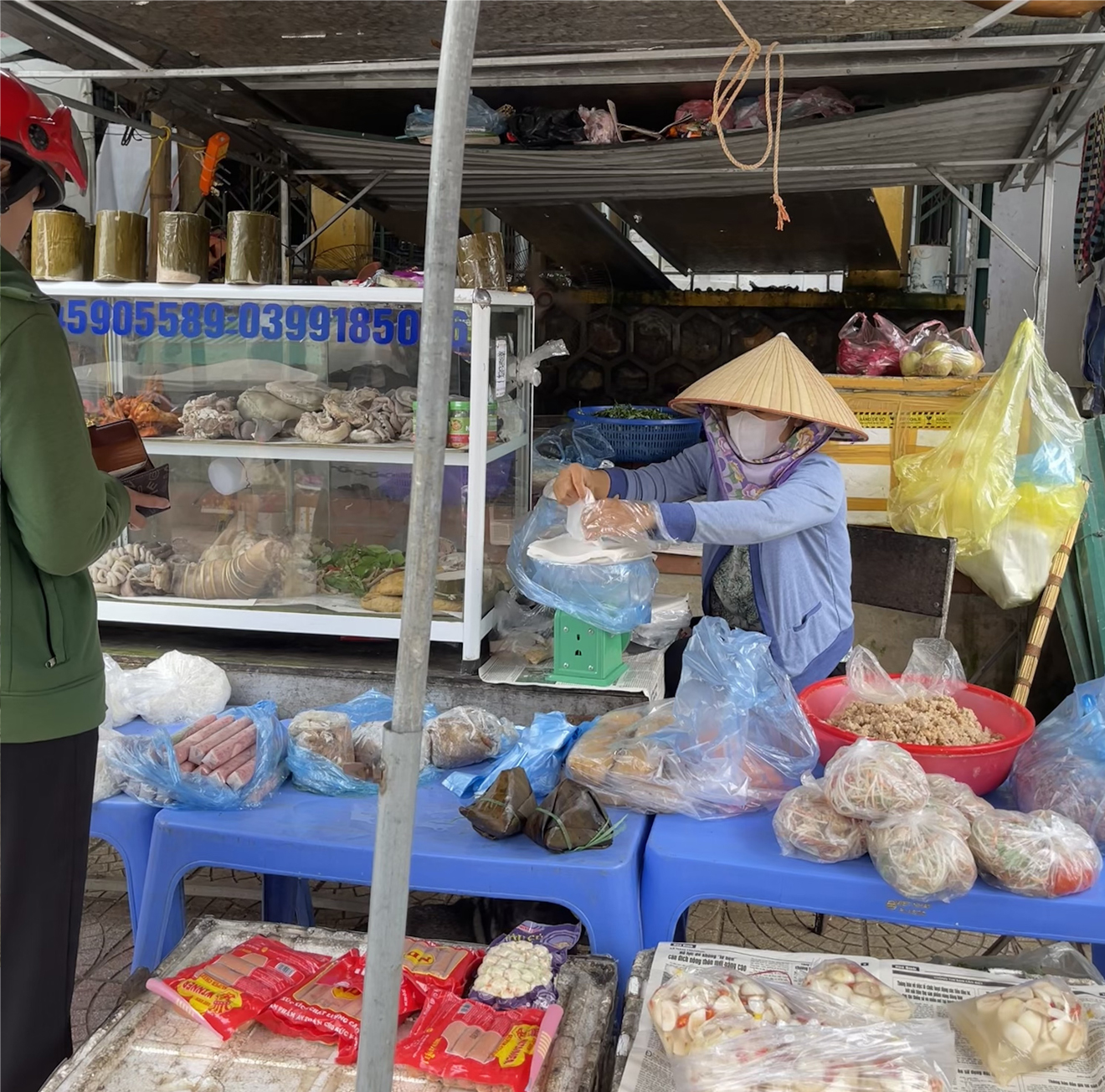
A taste of tradition! Local food vendors serve fresh ingredients and time-honoured recipes that tell a story. Connecting community and cuisine. © SUSDEV
The impact of such natural disasters raises urgent questions about resilience and sustainability as we reflect on local food systems. How does a system reliant on fragile local resources withstand such shocks? What does sustainability mean in a context where natural forces can, quite literally, alter everything overnight? The typhoon triggered us to critically assess the flexibility and strength of the local food network, compelling us to adjust our approach even before fieldwork officially began.
Navigating the realities…
Initially, we developed a framework for our analysis based on previous desk research. However, the reality of fieldwork swiftly revealed the necessity of flexibility, which our supervisor had continually reminded us of. On our first day upon arriving in Hoa Binh province, just right after we began testing our questionnaires, we realised the need to refine our questions. Some were overly detailed, while others were too broad, often failing to align with our research objectives. Moreover, conducting interviews in Vietnamese added another layer of complexity, calling us to collaborate closely with translators to ensure accurate understanding and interpretation.
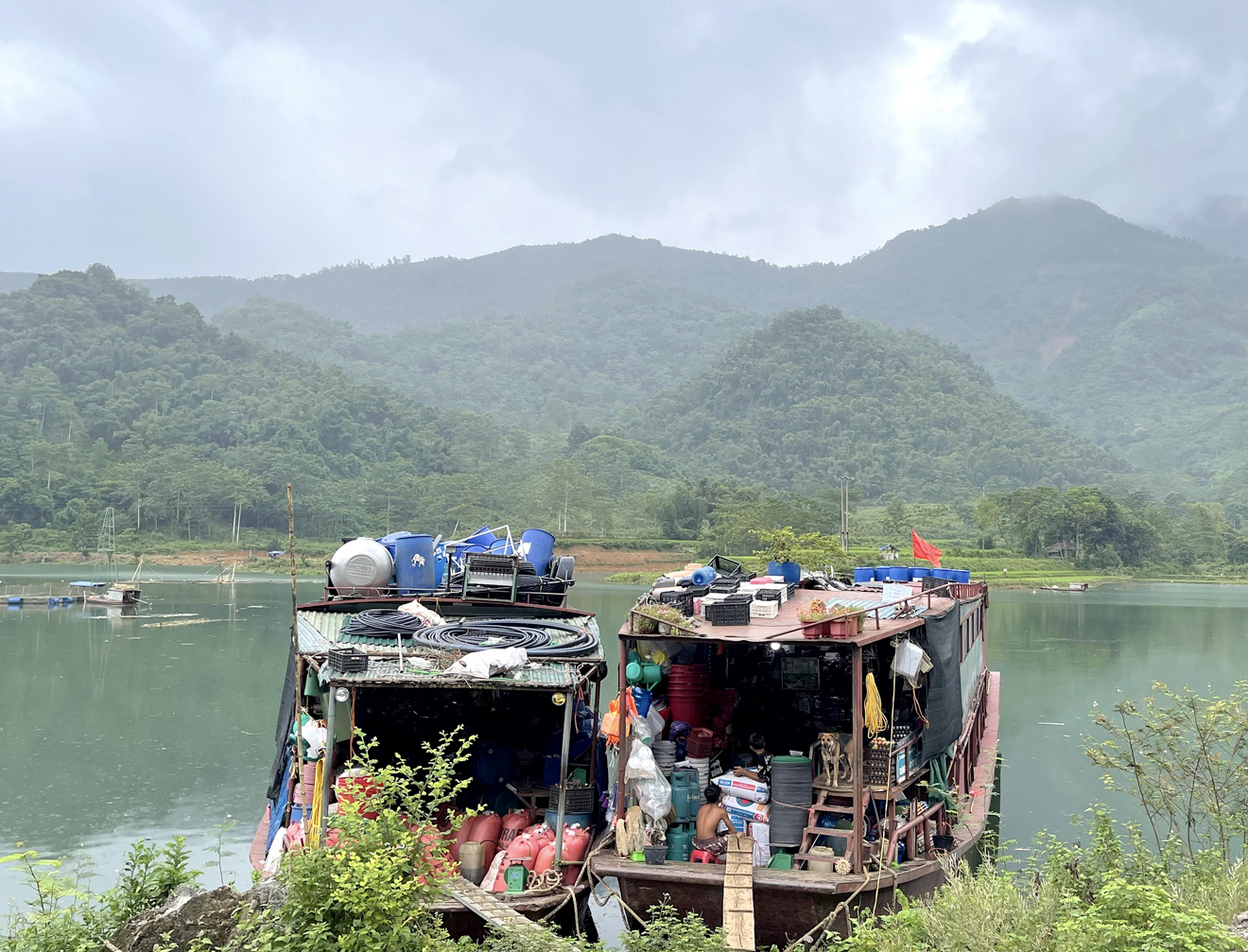
A unique glimpse into Vietnam’s foodshed, where vendors on the water create a culinary identity of local food systems. © SUSDEV
Our methodology involved engaging two primary actors: the tourism facilities that generate demand and the local vendors who supply locally produced food. Armed with two questionnaires—one tailored for tourism facilities (categorised into small homestays, large homestays, and resorts) and another for vendors—we aimed to gather insights into food sourcing practices. The questions centred on the origins of their food and how sourcing might differ among various types of tourism facilities. By analysing both perspectives, we sought to develop a holistic understanding of the food system, exploring the interactions and preferences among these actors. This approach provided a detailed view of the food network, highlighting differences and similarities across the groups.
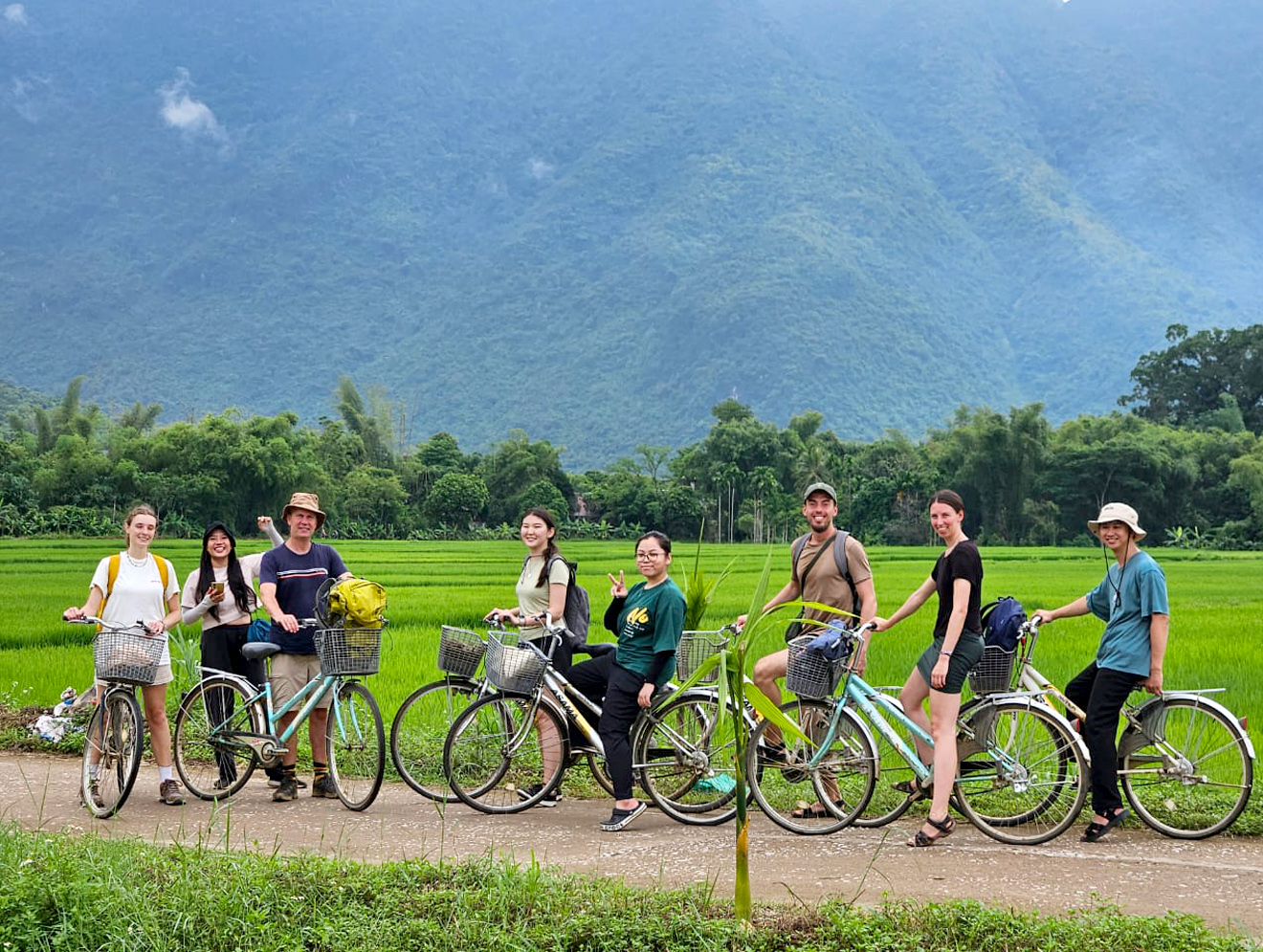
Pedalling into the field! Our team is ready to map out data and collect insights, one stop at a time. © SUSDEV
Adventures on Two Wheels…
As we immersed ourselves in the vibrant landscape of Vietnam, we quickly adapted to the daily rhythm of biking a good hour or a couple of hours per day. We set off on our bicycles each morning, pedalling through picturesque scenery that would make even the most mundane commute feel like an adventure. However, the thrill of our daily rides was sometimes overshadowed by unexpected challenges like what we fondly dubbed ‘Bali belly’ and, for some, even the encounter with new unsolicited friends: leeches. But this made the journey a real immersion in rural Vietnam in its entirety.
Adjusting our compass…
As we settled into the rhythm of fieldwork, we started fine-tuning our tools and methodologies. To capture the spatial flow of staple foods, we used Maps.me to geolocate each vendor and tourism facility, creating a visual distribution of food sources and pathways across regions. We were able to balance individual research aims with the needs of rotating team members from other groups by making our plan as straightforward as possible and playing the role of team leaders to guide the group members visiting from other working groups. We crafted a clear coding system and developed protocols, ensuring consistent data across teams and helping team members identify the details crucial to our study. These practical adjustments reinforced that successful fieldwork often lies in the details, where every shift and refinement brings a clearer picture of the ecosystem we set out to study.
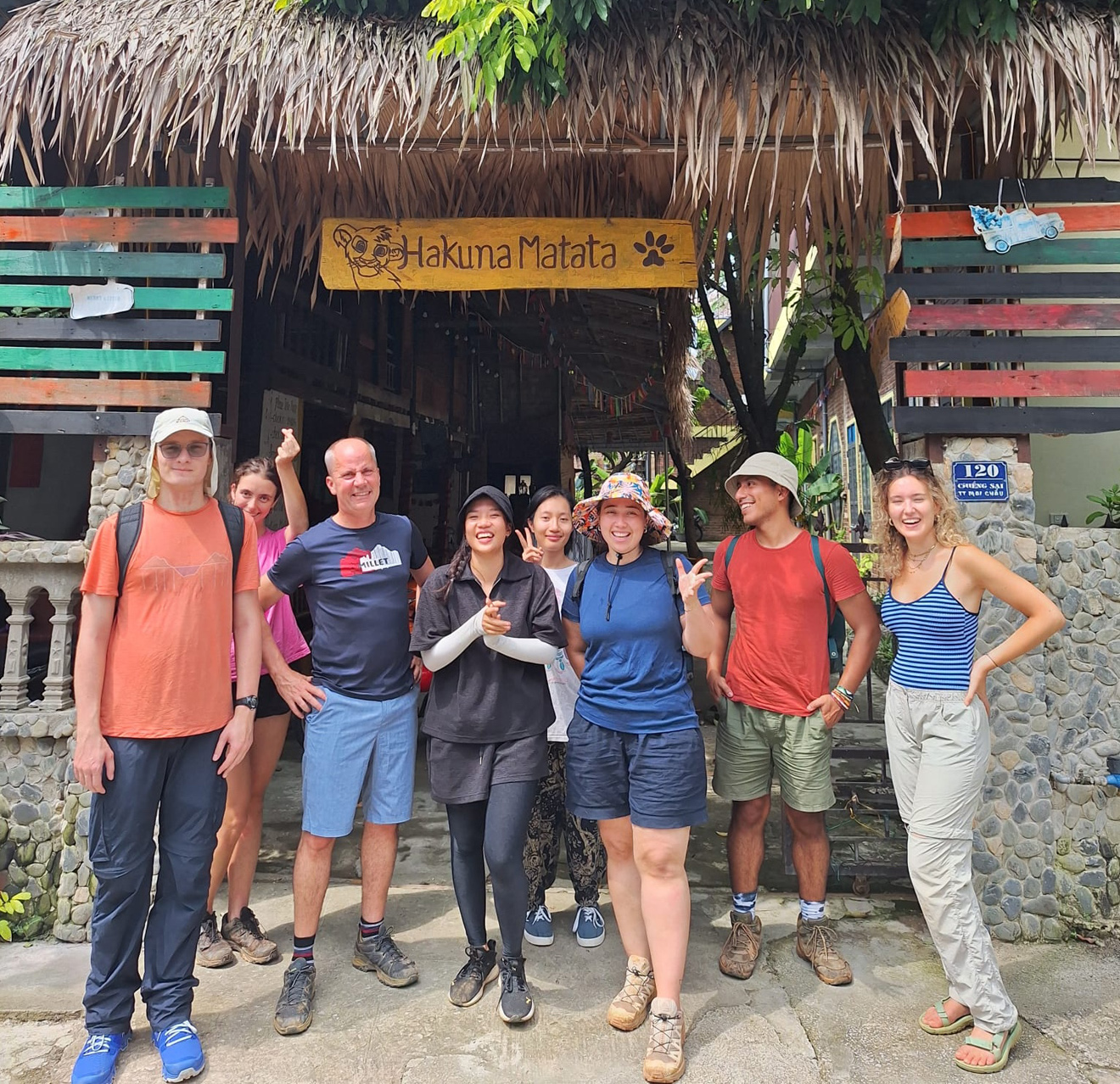
On the ground in Mai Chau: capturing the voices that reveal the flow of local food to travellers. © SUSDEV
Bonded through shared tales and tastes…
Amidst all these challenges, Vietnam revealed itself with breathtaking landscapes and a rich cultural mosaic, enriching our work beyond mere data collection. The culinary experiences, local stories, and daily interactions with community members added invaluable depth to our research, reminding us of the human dimension at the core of sustainability studies.
Piecing together the collected data felt like assembling an intricate puzzle, where each piece revealed another layer of the local food system. Along the way, this journey underscored not only the power of collaboration but also the flexibility needed to navigate the unpredictable nature of fieldwork.
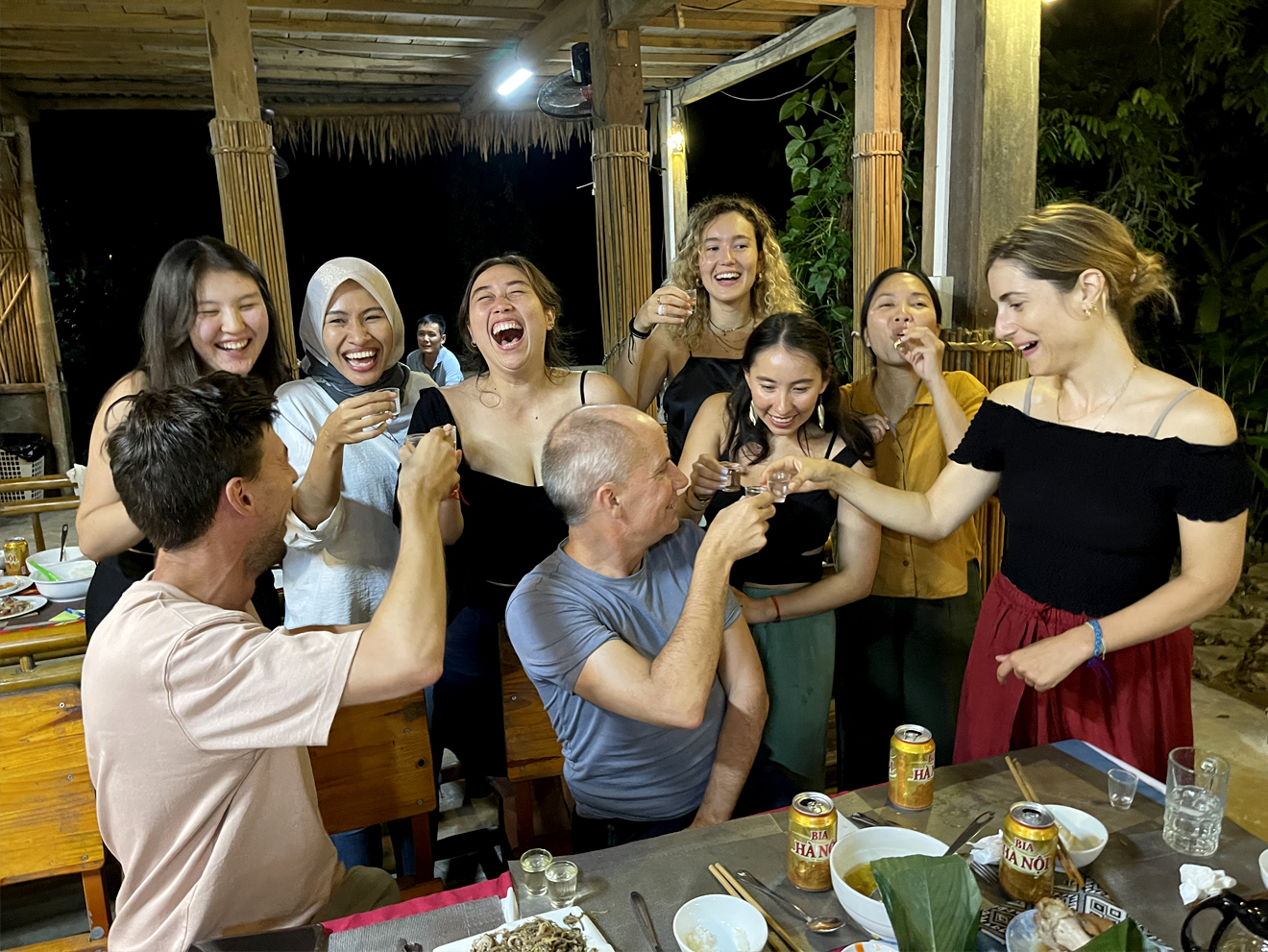
After all the work, we raise a glass to the research journey—every late night, unexpected twist, and hard-earned insights © SUSDEV
Final thoughts…
Overall, our time in Vietnam was a grounding and eye-opening journey, reinforcing the idea that meaningful research demands both structure and a willingness to be guided by the field itself. Despite all the challenges brought by the storm, every drop of sweat and late-night twist paid off with invaluable insights and irreplaceable experiences. These lessons will stay with us all, both personally and professionally. The resilience we witnessed in our team and the local communities we engaged with served as powerful reminders of the strength inherent in these connections. As we move forward, we carry with us not only the insights gained from our research but also a deep appreciation for the cultural richness and resilience of Vietnam’s foodshed tourism.